


The Emotional Shift- Second Trimester Pregnancy Emotions, FAQs & Preparing for Postpartum
Pregnancy does not require constant joy. Mixed emotions are not a sign of failure; they are a natural part of being human.
For those who receive unexpected or concerning news during this trimester, the emotional impact can feel particularly isolating. Grief and hope can coexist. Both deserve space.
FAQ: Second Trimester Pregnancy Questions
PART 4- Explore emotional changes in the second trimester of pregnancy, FAQs, and why this is the best time to prepare for postpartum recovery and support
The emotional landscape of pregnancy often changes just as dramatically as the physical one during the second trimester.
For many women, this is when pregnancy becomes real to them and to the world.
Emotional Shifts in the Second Trimester
Many women begin to:
Share pregnancy news publicly
Feel reassured by movement and scans
Start planning for birth and postpartum
Develop a deeper emotional attachment
At the same time, new worries may emerge:
Body image concerns
Fear of labour or outcomes
Work-life balance
Pressure to “enjoy it”
Pregnancy does not require constant joy. Mixed emotions are not a sign of failure; they are a natural part of being human.
For those who receive unexpected or concerning news during this trimester, the emotional impact can feel particularly isolating. Grief and hope can coexist. Both deserve space.
FAQ: Second Trimester Pregnancy Questions
When will I feel my baby move?
Most first-time mothers feel movement between 18-25 weeks; earlier for subsequent pregnancies.
Is round ligament pain normal?
Yes. It’s uncomfortable but harmless.
What about sleep issues?
Insomnia is common. Routine, positioning, and relaxation strategies help.
Are Braxton Hicks contractions normal?
Yes, irregular, painless tightening is expected. Regular or painful contractions require assessment.
How much weight should I gain?
Typically, 1–2 pounds per week in the second trimester, depending on pre-pregnancy BMI.
Can I exercise?
For most uncomplicated pregnancies, yes, and it’s beneficial.
Can I travel?
Often yes. Always confirm with your healthcare provider.
Should I prepare for postpartum now?
Absolutely. Early preparation improves recovery and mental well-being.
Why the Second Trimester Is the Ideal Time to Think Beyond Birth
Evidence consistently shows:
Education reduces postpartum anxiety
Support planning improves recovery outcomes
Emotional preparation eases the transition to motherhood
This is the moment to ask:
Who will care for me after birth?
What support will I need?
How do I want my recovery to feel?
These are the questions we address at Teti
How Teti Supports You
At Teti, we provide:
Evidence-based pregnancy education
Emotional and mental well-being support
Postpartum planning before birth
Woman-centred, holistic care
Because pregnancy is not just about the baby, it’s about the woman carrying the baby.
Closing Reflection
As the second trimester draws to a close, your energy may dip again. Your body grows heavier. Parenthood feels closer.
But look at what you’ve already done.
You’ve adapted. You’ve bonded. You’ve learned to listen to your body.
You’re ready for what comes next.
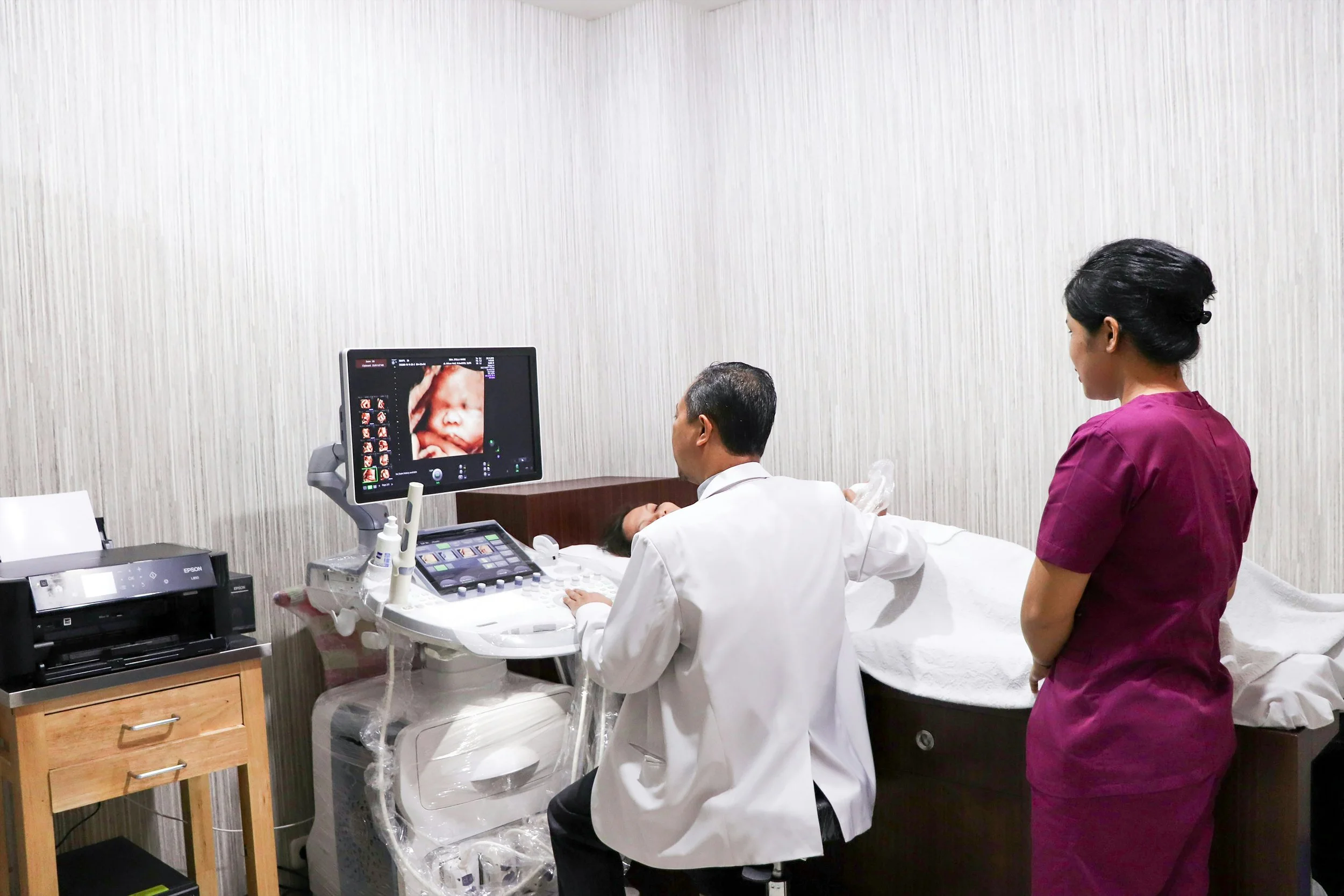
Second Trimester Pregnancy Milestones: Anatomy Scan, Tests, and What Nobody Tells You
For many families, this appointment is emotionally charged. You may learn your baby’s sex. You may see fingers, toes, and facial features. But beyond the excitement, the anatomy scan is a medical assessment designed to ensure your baby is developing as expected.
Sometimes, additional scans or follow-up appointments are needed. This does not automatically mean something is wrong; it often means clinicians want clearer views or closer monitoring.
PART 3: Learn about key second-trimester pregnancy milestones, including the anatomy scan, glucose testing, and real-life physical changes no one warns you about.
While the second trimester often feels calmer, it is medically one of the most important phases of pregnancy. This is when key assessments take place, not to create fear, but to provide reassurance and early detection when intervention matters most.
The Anatomy/anomaly Scan: Your Baby’s First Detailed Portrait
Between weeks 18 and 22, most women attend the anatomy scan, often referred to as the 20-week ultrasound.
This detailed scan assesses:
Brain development and skull formation
Heart structure and function
Spine alignment and coverage
Abdominal organs
Limb and bone growth
Placental location
Amniotic fluid levels
Cervical length
For many families, this appointment is emotionally charged. You may learn your baby’s sex. You may see fingers, toes, and facial features. But beyond the excitement, the anatomy scan is a medical assessment designed to ensure your baby is developing as expected. Sometimes, additional scans or follow-up appointments are needed. This does not automatically mean something is wrong; it often means clinicians want clearer views or closer monitoring.
Glucose Screening for Gestational Diabetes
Between weeks 24 and 28, most women undergo glucose screening to assess for gestational diabetes.
The standard test involves drinking a glucose solution and checking blood sugar one hour later. If results are elevated, a longer diagnostic test follows.
Gestational diabetes affects approximately 2–10% of pregnancies. With appropriate management, including diet, movement, and sometimes medication, outcomes are overwhelmingly positive. Early detection is key.
Routine Prenatal Appointments
During the second trimester, appointments typically occur every four weeks and may include:
Fundal height measurement
Blood pressure monitoring
Weight checks
Urinalysis
Listening to the fetal heartbeat
Discussion of symptoms and concerns
These visits may feel routine, but they are carefully structured to detect subtle changes before they become problems.
The Physical Realities Few People Mention
Your belly becomes public property
Unsolicited touching and commentary often begin here. You are allowed and encouraged to set boundaries.
Unwanted advice increases
Everyone suddenly has an opinion. You are not obligated to receive it.
Colostrum leakage may begin
Some women notice yellowish fluid leaking from their nipples. This is normal and harmless.
Balance changes
Your shifting centre of gravity may make you clumsier. Slow down. Adjust footwear.
Leg cramps at night
Common and uncomfortable. Stretching, hydration, and maintaining a balanced mineral intake can help.
Vision changes
Temporary fluid shifts may affect vision. Avoid changing prescriptions until postpartum.
You sweat more
Increased metabolism and blood flow raise body temperature. Dress in layers and hydrate well.
In Part 4, we’ll break down the key scans, tests, and medical considerations that typically occur during the second trimester.

Second Trimester Pregnancy Symptoms: What’s Normal, What’s Unexpected, and What to Expect
Mild swelling of hands or feet
Fluid retention and circulatory changes can cause mild swelling, especially in warm weather or after standing for long periods. Elevating your legs, staying hydrated, and gentle movement help. Sudden or severe swelling should always be discussed with your provider.
A Gentle Reminder
Feeling better does not mean pregnancy is easier.
It means it’s different.
The second trimester teaches an essential skill for motherhood: listening to your body and adapting as it changes.
Part 2: Discover common second-trimester pregnancy symptoms, from fetal movement and increased energy to back pain and swelling, with evidence-based guidance to help you feel confident and informed.
One of the biggest surprises of the second trimester is how different pregnancy can suddenly feel.
For many women, the dramatic improvement isn’t accidental; it’s biological. The hormones responsible for first-trimester nausea and fatigue begin to stabilise. The placenta has fully taken over hormone production from your ovaries, and your body has completed many of the early physiological adjustments required to sustain pregnancy.
But “feeling better” doesn’t mean pregnancy becomes easy.
It simply means it changes.
What Improves During the Second Trimester of Pregnancy
Improved appetite
For most women, nausea fades between weeks 14 and 16. Once the constant queasiness lifts, eating becomes pleasurable again. Food shifts from survival to nourishment and often, enjoyment. This is a crucial time to rebuild nutritional stores that may have been depleted in early pregnancy.
Increased energy
The crushing fatigue of the first trimester often lifts, sometimes dramatically. Many women report feeling more energetic during the second trimester than they did pre-pregnancy. This surge is not random; it’s your body giving you a window of capacity. Use it wisely, but don’t feel pressured to be endlessly productive.
More stable mood. Hormonal fluctuations tend to even out during this phase. While mood swings don’t disappear entirely, many women feel emotionally steadier and more grounded. You begin to feel like yourself again, just with a growing belly.
New Sensations That Often Appear
Fetal movement
Feeling your baby move, often described as flutters, bubbles, or gentle rolls, is one of the most reassuring milestones of pregnancy. Most women notice movement between 16 and 22 weeks, with first-time mothers often feeling it later. Over time, movements become more consistent, offering daily reassurance and strengthening emotional connection.
Back or pelvic discomfort
As your centre of gravity shifts forward and pregnancy hormones loosen ligaments, lower back or pelvic discomfort becomes common. Prolonged standing or sitting, or poor posture, can worsen symptoms. Supportive footwear, gentle strengthening exercises, and pregnancy-safe movement can help significantly.
Round ligament pain
Sharp, brief pains in the lower abdomen or groin, especially with sudden movements, are classic round ligament pain. These ligaments stretch as the uterus grows, causing momentary discomfort that is unpleasant but harmless. Moving slowly and supporting your belly during movement can reduce intensity.
Nasal congestion or nosebleeds
Increased blood volume and hormonal changes cause swelling of the nasal membranes, leading to congestion or occasional nosebleeds, often called pregnancy rhinitis. Staying hydrated, using a humidifier, and avoiding dry environments can help.
Mild swelling of hands or feet
Fluid retention and circulatory changes can cause mild swelling, especially in warm weather or after standing for long periods. Elevating your legs, staying hydrated, and gentle movement help. Sudden or severe swelling should always be discussed with your provider.
A Gentle Reminder
Feeling better does not mean pregnancy is easier.
It means it’s different.
The second trimester teaches an essential skill for motherhood: listening to your body and adapting as it changes.
Have you reached the moment yet where pregnancy stopped being something that was happening to you and became a journey you’re actively part of?
In Part 3, we’ll explore the emotional shift many women experience in mid-pregnancy, including confidence, connection, and the return of mental space.

The Second Trimester of Pregnancy: When the Fog Lifts and the Journey Feels Real.
“Pregnancy stopped being something that was happening to me and became something I was actively sharing with my baby.”
This is the season to connect.
Talk to your belly.
Play music.
Notice when your baby is most active.
Observe how they respond to your voice.
PART 1 - The Second Trimester of Pregnancy: What to Expect When the Fog Lifts (Weeks 14–27)
The second trimester of pregnancy (weeks 14–27) is often called the golden trimester. Learn what changes, why it matters, and how your body and baby grow during this pivotal phase.
One morning, you wake up and realise you can actually enjoy being pregnant.
You’ve gone hours without nausea.
Your energy returns in small, surprising bursts.
And then maybe while lying still at night, you feel it.
A flutter.
A roll.
A gentle reminder that your pregnancy is no longer theoretical.
Welcome to the second trimester! What many call the golden trimester.
The second trimester of pregnancy, spanning weeks 14 through 27, is often the most enjoyable phase of the nine-month journey. Your body has adjusted to being pregnant, but you’re not yet weighed down by the physical demands of late pregnancy. For many women, this is when pregnancy finally begins to feel magical.
But here’s what matters most: the second trimester isn’t just about feeling better.
It’s a period of extraordinary growth, crucial medical milestones, and profound physical and emotional changes that will shape the rest of your pregnancy. Your baby has passed through the most delicate stage of early development, and for many women, the intensity of first-trimester symptoms begins to ease. At the same time, a new set of changes emerges, ones that deserve just as much care and attention.
At The Teti, an online resource for women’s health focused on pregnancy and postpartum care, we believe the second trimester isn’t simply a pause between discomforts. It’s a pivotal phase one where confidence can grow, connection deepens, and preparation quietly begins.
What Is the Second Trimester of Pregnancy and Why Does It Matter?
From a medical perspective, the second trimester is defined by several key changes:
Rapid fetal growth
Continued placental development
A significantly reduced risk of miscarriage
Increased maternal blood volume and circulation
At the start of this trimester, your baby is roughly the size of a lemon, about 3.5 inches long. By week 27, they’ll measure around 14 inches and weigh approximately two pounds. This kind of growth would be alarming in any other context, but in pregnancy, it’s exactly what should be happening.
Your baby’s development during the second trimester includes remarkable milestones. Their skeleton, initially made of cartilage, begins to harden into bone. Fingerprints form patterns that will identify them for life. They begin to hear sounds from outside the womb, including your voice. Sleep-wake cycles start to emerge.
And perhaps most meaningfully for parents, you’ll begin to feel fetal movement typically between weeks 16 and 25, depending on whether this is your first pregnancy.
By around 20 weeks, many women feel movements more consistently, a milestone often called quickening. This moment can reduce anxiety and deepen emotional bonding, transforming pregnancy from something abstract into something deeply personal.
Where Your Baby Is Growing During the Second Trimester
Understanding where your baby is and how your body is changing can help make sense of the new sensations you’re experiencing.
During the first trimester, your uterus sits entirely within your pelvis. In the second trimester, it rises into your abdominal cavity. By around 20 weeks, the top of your uterus (the fundus) reaches your belly button. This is why the 20-week mark is often referred to as the “halfway point,” even though more than 20 weeks usually remain until birth.
As your uterus expands, it gently displaces other organs. Your intestines are pushed upward and outward, contributing to constipation and bloating. Your bladder is compressed from above, which explains why frequent urination often continues despite the uterus moving out of the pelvis.
Your baby has plenty of room to move during this phase. The amount of amniotic fluid relative to your baby’s size is at its peak, allowing them to tumble, flip, and stretch freely. This is why early movements feel like flutters or bubbles. Your baby is practising coordinated motion in a spacious environment.
The placenta, which began forming in the first trimester, is now fully functional. Its location matters. A low-lying placenta (placenta previa) may require monitoring, though most placentas naturally migrate upward as the uterus grows.
By the end of the second trimester, the umbilical cord, your baby’s lifeline, has grown long enough to accommodate all this movement, typically measuring 16–20 inches.
When Pregnancy Becomes Real Emotionally
What truly distinguishes the second trimester is the balance it offers.
You are visibly pregnant.
Your body is unmistakably doing something extraordinary.
Yet for many women, you’re still mobile, comfortable, and mentally present enough to prepare.
From lived experience, both as a midwife and a mother, this is often when pregnancy shifts from survival into cautious confidence.
One quote from a pregnant mother has always stayed with me:
“Pregnancy stopped being something that was happening to me and became something I was actively sharing with my baby.”
This is the season to connect.
Talk to your belly.
Play music.
Notice when your baby is most active.
Observe how they respond to your voice.
It’s also when pregnancy becomes visible to the world. There is power in occupying space as a pregnant woman moving through life without minimising yourself or apologising for the body that’s carrying new life.
The second trimester is pregnancy’s sweet spot.
Savour it.
In Part 2, we’ll take a closer look at how your baby is growing during the second trimester and how your body adapts to support that rapid development.

Support a loved one.
If someone you love is pregnant, your support matters more than you might realize. Small, thoughtful actions can make a huge difference. This guide is here to help you understand how to support a pregnant woman in ways that are genuinely helpful, respectful, and loving.
1. Lead With Listening (Not Fixing)
One of the most powerful things you can do is simply listen.
How to Support a Pregnant Woman: A Loving Guide for Partners, Family, and Friends
Pregnancy is often described as a magical time, and sometimes it is. However, it can also be exhausting, emotionally draining, confusing, uncomfortable, and overwhelming. Even the happiest pregnancies come with real physical and mental challenges that don’t always show on the outside.
If someone you love is pregnant, your support matters more than you might realise. Small, thoughtful actions can make a huge difference. This guide is here to help you understand how to support a pregnant woman in ways that are genuinely helpful, respectful, and loving.
1. Lead With Listening (Not Fixing)
One of the most powerful things you can do is simply listen.
Pregnant women often hear a lot of advice. Some of the advice is helpful, some outdated, some completely unsolicited. What they need more than solutions is a safe space to express how they’re really feeling.
Ask open-ended questions like, “How are you feeling today?”
Let her vent without correcting, minimising, or jumping in with advice.
Avoid phrases like “At least…” or “Just wait until…”; they often feel dismissive, even when well-intended.
Sometimes the most supportive response is: “That sounds really hard.”
2. Respect Her Experience (Even If It’s Different From Others’)
No two pregnancies are the same. Comparing her experience to someone else's, a friend’s, or a story you’ve heard can make her feel misunderstood or invalidated.
Try to:
Believe her when she says she’s tired, uncomfortable, anxious, or in pain.
Respect her boundaries around what she wants to share or not share.
Trust that she knows her body and her limits best.
Support starts with honouring her reality, not measuring it against another.
3. Offer Practical Help (And Be Specific)
Pregnancy can make everyday tasks feel monumental. One of the kindest things you can do is help lighten the load.
Instead of saying, “Let me know if you need anything,” try offering something concrete:
“Can I bring dinner on Wednesday?”
“I’m going to the store. What can I pick up for you?”
“Do you want me to handle the laundry today?”
These gestures show care and remove the burden of having to ask.
4. Be Patient With Emotional Changes
Hormonal shifts, physical discomfort, lack of sleep, and big life transitions can make emotions feel closer to the surface. She may be joyful one moment and overwhelmed the next.
What helps:
Patience instead of defensiveness
Reassurance instead of judgment
Calm presence instead of taking things personally
Emotional support doesn’t require understanding every feeling; it requires accepting them.
5. Support Her Choices (Even When You Don’t Fully Understand Them)
Pregnant women make countless decisions: about food, movement, medical care, birth plans, visitors, and boundaries. Even if you don’t fully agree or understand, your respect goes a long way.
You can support her by:
Trusting her judgment and autonomy
Avoiding pressure or guilt-based opinions
Asking how you can best support her choices
Feeling supported in her decisions builds confidence and reduces stress.
6. Celebrate Her Without Focusing Only on the Baby
Pregnancy can sometimes make a woman feel like her identity has been reduced to a body carrying a baby. Remind her that she is still herself, whole, valuable, and seen.
Compliment her strength, not just her glow
Ask about her, not only the pregnancy
Celebrate milestones she cares about, big or small
She’s not just becoming a parent; she's navigating a major transformation.
7. Show Up Consistently
Support isn’t about grand gestures; it’s about steady presence.
A quick check-in text. Remembering an appointment. Sitting quietly together. Respecting when she needs space and being there when she doesn’t.
Consistency builds safety. And safety is one of the greatest gifts you can offer during pregnancy.
Final Thoughts
You don’t need to say the perfect thing or do everything right to be supportive. What matters most is intention, empathy, and effort.
Pregnancy is a season of vulnerability and strength, uncertainty and hope. When a pregnant woman feels truly supported by the people around her, she’s better able to care for herself and the life she’s growing.
Your love, patience, and presence matter more than you know.

First Trimester- Part 5
Pregnancy Loss, Silence, and the Weight Women Carry
Pregnancy loss, whether confirmed or suspected, is still surrounded by silence.
Many women experience:
Fear of miscarriage without anyone to talk to
Loss before they’ve shared the pregnancy
Grief without acknowledgment
Pressure to “move on” quickly
At The Nurtury, we believe that every pregnancy experience deserves care, whether it continues or not.
Grief does not require permission.
Pregnancy Risks, Miscarriage & Folic Acid: What Every Woman Should Know
An honest, compassionate guide to first-trimester pregnancy risks, miscarriage statistics, folic acid, and why early pregnancy care matters more than most women are told.
Understanding Risk in Early Pregnancy (Without Fear)
One of the reasons the first trimester of pregnancy feels emotionally charged is that it carries the greatest uncertainty.
Medically speaking, the first trimester is when the foundations of pregnancy are laid, and it’s also when most pregnancy losses occur. Approximately 80% of miscarriages happen during the first trimester, often before 12 weeks.
This statistic can feel frightening, but context matters.
Most first-trimester miscarriages occur because of chromosomal abnormalities. In simple terms, the pregnancy could not develop as it should. This is not caused by stress, exercise, food choices, or something a woman did or didn’t do.
It is biology, not blame.
Understanding this does not make pregnancy loss easier, but it can help ease the unnecessary guilt many women carry silently.
The Role of Folic Acid in Early Pregnancy
One of the most powerful and time-sensitive interventions in early pregnancy is folic acid supplementation.
Folic acid is essential for preventing neural tube defects, which affect the brain and spinal cord. These structures begin forming in the earliest weeks of pregnancy, often before a woman even knows she is pregnant.
This is why:
Folic acid is recommended before conception (Seek advice from your healthcare provider)
Early pregnancy nutrition matters deeply
The first trimester carries unique medical importance
Folic acid does not guarantee outcomes, but it significantly reduces preventable risk, and it is one of the simplest, most evidence-based steps women can take.
Early Pregnancy Care
Despite the profound physical and emotional changes taking place, early pregnancy is often approached as a passive waiting period rather than a phase requiring active care and support.
Women are often told:
“Come back after 8–12 weeks”
“Call if there’s a problem”
“This is all normal”
This approach can unintentionally leave women feeling unsupported during one of the most vulnerable phases of pregnancy.
Early pregnancy is not an empty time. It is active, complex, and formative.
What happens emotionally and mentally during the first trimester often shapes how a woman experiences:
The rest of the pregnancy
Birth preparation
Postpartum recovery
Early motherhood
This is why early support matters.
Pregnancy Loss, Silence, and the Weight Women Carry
Pregnancy loss, whether confirmed or suspected, is still surrounded by silence.
Many women experience:
Fear of miscarriage without anyone to talk to
Loss before they’ve shared the pregnancy
Grief without acknowledgment
Pressure to “move on” quickly
At Tẹtí, we believe that every pregnancy experience deserves care, whether it continues or not.
Grief does not require permission. Support should not depend on how far along you are
And no woman should carry loss alone.
A Gentle Reminder for This Stage of Pregnancy
If you are in your first trimester, here is what matters most:
You are not failing if you are anxious.
You are not weak if you are struggling.
You are not “doing pregnancy wrong” if this doesn’t feel joyful.
The first trimester is not about performance. It is about transition.
And transitions deserve support.
A Question for You
What do you wish someone had told you about early pregnancy before you experienced it yourself?
Why Tẹtí Exists
Tẹtí was created because pregnancy care should not start at the scan and it should not end at birth.
We exist to support women through:
Early pregnancy education
Emotional wellbeing
Informed preparation for postpartum
Holistic, woman-centred care
Because pregnancy doesn’t happen in isolation.
And neither should your care.
Connect with Tẹtí. Explore our services. Let us support you through pregnancy, postpartum, and beyond.
© 2026 Tẹ́tí . All Rights Reserved.

First trimester- Part 4
Support during the first trimester can:
Reduce anxiety
Improve pregnancy outcomes
Build confidence
Lay the foundation for postpartum wellbeing
Support doesn’t need to wait until the scan.
What Your Partner and Loved Ones Should Know
What You Need, When to Get Help & What Comes Next
Learn when to seek support during the first trimester of pregnancy, what your first prenatal appointment includes, FAQs, and how early care shapes postpartum health.
Where to Turn for Support in Early Pregnancy
One of the biggest gaps in pregnancy care happens in the first trimester. Many women are told to wait until 8–12 weeks for their first appointment. While medically routine, this waiting period can feel isolating and anxiety-provoking.
At Tẹtí, we believe early pregnancy is not a waiting room; it is a phase of care.
Support during the first trimester can:
Reduce anxiety
Improve pregnancy outcomes
Build confidence
Lay the foundation for postpartum wellbeing
Support doesn’t need to wait until the scan.
What Your Partner and Loved Ones Should Know
If you’re supporting someone in early pregnancy, here’s what matters:
The exhaustion is real and biological
Nausea can be constant and debilitating
Emotional changes are valid and temporary
The secrecy of early pregnancy can feel isolating
Your steady presence makes a difference.
FAQ: First Trimester Pregnancy Questions
Q: Is it normal not to feel pregnant?
Yes. Symptoms vary widely and do not indicate pregnancy health.
Q: When should I call my doctor?
Heavy bleeding, severe pain, fainting, fever, or inability to keep fluids down require medical attention.
Q: Can I exercise during the first trimester?
Usually yes, with modifications - always check with your healthcare provider.
Q: When is it safe to announce pregnancy?
This is deeply personal. Choose what feels right for you.
Your Next Step
Your first prenatal appointment usually occurs between weeks 8–10 and includes:
Pregnancy confirmation
Early ultrasound
Blood tests
Due date calculation
Prenatal vitamin guidance
Seeing that tiny heartbeat is often the moment pregnancy becomes real.
The 10 Essential First Trimester Survival Strategies
Rest without guilt
Eat what you can tolerate
Find nausea relief that works for you
Stay hydrated
Move gently
Build support
Manage work expectations
Keep essentials nearby
Document the journey
Trust your instincts
How Tẹtí Supports You
At The Tẹtí, we support women through:
Evidence-based pregnancy education
Emotional wellbeing
Postpartum preparation before birth
Holistic, woman-centred care
Because pregnancy doesn’t happen in isolation — and neither should your care.
In Part 5, we’ll bring it all together with practical guidance, reassurance, and what to keep in mind as you prepare to enter the second trimester.
© 2026 Tẹ́tí . All Rights Reserved.

First trimester- Part 3
This emotional load is real and significant.
You are not “too sensitive.”
You are not overreacting.
You are adjusting to motherhood earlier than most people realise.
When Pregnancy Doesn’t Go as Planned
Emotional Changes in Early Pregnancy: Why the First Trimester Feels So Heavy
If the first trimester of pregnancy feels emotionally intense, there is a reason, and it’s not weakness.
Progesterone, oestrogen, and hCG(human chorionic gonadotrophin) surge dramatically in early pregnancy. These hormones are essential for sustaining pregnancy and supporting foetal development, but they also affect the neurotransmitters in the brain that regulate mood, sleep, and stress.
Many women describe feeling like themselves but amplified. Emotions come faster, feel deeper, and linger longer.
But hormones aren’t the whole story.
The first trimester is also when many women are:
Keeping the pregnancy secret
Managing symptoms privately
Processing identity shifts
Navigating fear of miscarriage
Living with uncertainty
This emotional load is real and significant.
You are not “too sensitive.”
You are not overreacting.
You are adjusting to motherhood earlier than most people realise.
When Pregnancy Doesn’t Go as Planned
Pregnancy is often portrayed as glowing and joyful, but for many women, the first trimester is complicated.
Heavy bleeding, severe nausea, emergency scans, hospital admissions, or activity restrictions can introduce fear, guilt, and disappointment. Some women struggle with hyperemesis gravidarum, while others face bed rest or medical interventions.
The first trimester is not about joy for everyone. Sometimes, it’s about survival.
And that is still pregnancy.
That is still valid.
In Part 4, we’ll walk through the key medical milestones, appointments, and decisions that shape your first trimester care.
© 2026 Tẹ́tí . All Rights Reserved.

First Trimester - Part 2
The Symptoms Everybody Talks About, But No One Really Explains
First-trimester pregnancy symptoms are often dismissed as “just hormones,” but each one has a real biological purpose.
Vaginal spotting
As your embryo completes its 6–7 day journey to the uterus and implants into the nutrient-rich uterine lining, light spotting may occur. This implantation bleeding is common and often mistaken for a period. For many women, it marks the true beginning of pregnancy.
Pregnancy Symptoms: What Your Body Is Really Doing
From nausea and exhaustion to emotional shifts, this in-depth guide explains common first-trimester pregnancy symptoms, why they happen, and what’s truly normal in early pregnancy.
How Pregnancy Shows Up in the First Trimester (Often Before You Expect It)
Let’s talk about what is actually happening inside your body during the first trimester of pregnancy, often long before you “look” pregnant.
Your uterus, normally about the size of a small pear, begins a remarkable expansion. By the end of the first trimester, it will grow to roughly the size of a grapefruit, although most women still won’t show. At the same time, the placenta, your baby’s life-support system, begins forming immediately after implantation, establishing the vital connection that will nourish your baby for the next nine months.
Meanwhile, your entire body reorganises itself around pregnancy.
Your blood volume starts to increase, eventually rising by up to 50% over the course of pregnancy. Your heart pumps harder, your kidneys work overtime filtering waste, and your lungs adapt to take in more oxygen. All of this begins in early pregnancy, which is why many women feel profoundly different before anyone else can see a change.
This is pregnancy happening quietly, internally, and intensely.
The Symptoms Everybody Talks About, But No One Really Explains
First-trimester pregnancy symptoms are often dismissed as “just hormones,” but each one has a real biological purpose.
Vaginal spotting
As your embryo completes its 6–7 day journey to the uterus and implants into the nutrient-rich uterine lining, light spotting may occur. This implantation bleeding is common and often mistaken for a period. For many women, it marks the true beginning of pregnancy.
Nausea and vomiting
Up to 80% of women experience nausea during the first trimester of pregnancy. Rising levels of hCG and oestrogen are the main drivers. Despite the nickname “morning sickness,” nausea can strike at any time, triggered by smells, foods, or seemingly nothing at all. Symptoms often peak around weeks 9–10 and improve as the second trimester approaches.
Extreme fatigue
This is not ordinary tiredness. First-trimester exhaustion is deep, persistent, and often shocking. Your body is building the placenta, increasing blood volume, and supporting rapid embryonic development, all of which require enormous energy.
Heightened sense of smell (hyperosmia)
Many women find that familiar scents suddenly feel overwhelming or nauseating. Coffee, perfume, cooking smells, and even your partner’s deodorant may become unbearable. This hormone-driven response is thought to be protective, helping you avoid potentially harmful substances during early pregnancy.
Food aversions and cravings
Sudden hatred for foods you once loved, or oddly specific cravings, are common in pregnancy. These changes may reflect your body’s instinctive attempt to protect the developing baby and meet nutritional needs.
Breast tenderness
Hormonal shifts prepare your breasts for lactation, causing swelling, sensitivity, darker areolas, and visible veins. Even light pressure or wearing a bra may feel uncomfortable.
Frequent urination
This begins early in pregnancy, not because your uterus is large, but because increased blood flow to the kidneys and hormonal changes increase urine production.
Emotional volatility
Mood swings, anxiety, tearfulness, and heightened emotions are all normal in early pregnancy. Hormones play a role, but so does the psychological adjustment to an entirely new life chapter.
Important reminder: The presence or absence of symptoms does not reflect the health of your pregnancy. Symptom-light pregnancies can be just as healthy as symptom-heavy ones.
In Part 3, we’ll focus on the emotional and mental landscape of early pregnancy, including anxiety, uncertainty, and the quiet identity shift that often begins long before a bump appears.

First Trimester - Part 1
The first trimester is unlike anything else you will experience. It is overwhelming, exciting, terrifying, and absolutely miraculous all at once. It’s a time filled with microscopic miracles, massive hormonal shifts, and an overwhelming question many women quietly ask themselves:
“Is what I’m feeling normal?”
Pregnant: The First Trimester Explained What Those First 13 Weeks Really Feel Like
Just found out you’re pregnant? Learn what the first trimester of pregnancy really involves, why it matters, and how to feel supported through the earliest weeks.
Two lines become your whole world. And just like that, everything changes.
Yet somehow, nothing feels different at all.
In that single moment, everything you thought you knew about your body and your life begins to transform. Say it with me: change is good.
The first trimester of pregnancy has begun.
If you're reading this with a positive test in your hand, a growing belly that's still your secret, or simply preparing for the journey ahead, you're in the right place.
The first trimester is unlike anything else you will experience. It is overwhelming, exciting, terrifying, and absolutely miraculous all at once. It’s a time filled with microscopic miracles, massive hormonal shifts, and an overwhelming question many women quietly ask themselves:
“Is what I’m feeling normal?”
At Tẹ́tí, we believe the first trimester deserves far more attention, clarity, and compassion than it gets. Early pregnancy can feel exciting, confusing, isolating, and deeply vulnerable all at once.
We are here to walk you through the what, how, where, and why of the first trimester so you feel informed, supported, and empowered from the very beginning of your pregnancy.
What Is the First Trimester of Pregnancy and Why Is It So Important?
The first trimester encompasses the first 13 weeks of pregnancy, calculated from the first day of your last menstrual period. Yes, you read that correctly, you are technically considered “pregnant” for about two weeks before conception even occurs.
This dating method means that by the time most women discover they’re pregnant (around 4–5 weeks), they are already more than a month along. While it may not yet be visible to the outside world, inside your body, extraordinary things are happening.
During these early weeks, your body becomes a construction site of epic proportions. A single fertilised cell transforms into an embryo, then a foetus, complete with a beating heart, a developing brain, and tiny limbs.
By the end of the first trimester:
Your baby’s major organs have begun to form
The placenta is developing to sustain the pregnancy
Hormone levels are rapidly increasing
Your body is adapting to support new life
Your baby is approximately three inches long, about the size of a peach
From a medical perspective, this trimester is critical. It is when the foundations of pregnancy are laid.
But here’s what nobody tells you: while your baby is growing at breakneck speed, you might feel like you’re falling apart. During this time, women often feel unsure, unsupported, and uncertain about what is “normal.”
This is why early pregnancy care matters and why we focus so intentionally on it at Tẹ́tí.
A Midwife’s Story: “I Knew the Textbooks, But Not the Silence”
I still remember my own first trimester.
I was a midwife. I understood pregnancy at a clinical level. And yet, when I found myself newly pregnant, I was caught off guard by how quiet it all felt.
No bump. No movement. Just fatigue that settled deep into my bones, nausea that appeared at random moments, and a constant internal dialogue asking, Is everything okay in there?
I remember lying awake at night thinking:
If this feels lonely for me with all my knowledge, how must it feel for women without support?
That moment stayed with me. It’s one of the reasons Tẹ́tí exists today.
In Part 2, we explore what’s happening inside your body, the symptoms everyone talks about, and the ones no one explains.
© 2026 Tẹ́tí . All Rights Reserved.

Cutting through the noise
It was a Tuesday night. Nadine was 19 weeks pregnant, wide awake with a racing heart and a tight, uncomfortable feeling across her belly. Was it a contraction? Gas? Something dangerous? She grabbed her phone and typed frantically into the search bar.
Forty minutes later, she closed her laptop in tears. One source said she was fine. Another said she should call the hospital immediately. A forum thread was full of women sharing terrifying stories that bore no resemblance to her situation. She had answered dozens of them and not a single one made her feel better.
Sound familiar?
Welcome to Tẹ́tí: Where Your Pregnancy Journey Truly Begins
She Googled "Is This Normal?" at 2 AM and Found 47 Conflicting Answers
It was a Tuesday night. Nadine was 19 weeks pregnant, wide awake with a racing heart and a tight, uncomfortable feeling across her belly. Was it a contraction? Gas? Something dangerous? She grabbed her phone and typed frantically into the search bar.
Forty minutes later, she closed her laptop in tears. One source said she was fine. Another said she should call the hospital immediately. A forum thread was full of women sharing terrifying stories that bore no resemblance to her situation. She had answered dozens of them, and not a single one made her feel better.
Sound familiar?
If you've ever spiralled down a Google rabbit hole during pregnancy and come out feeling more scared than when you started, you already understand why Tẹ́tí exists.
A group of three women, a Midwife, a Pharmacist, and a Doctor of Psychology, built this platform because every woman deserves access to clear, honest, evidence-based guidance, not noise. Not fear. Not a thousand conflicting opinions at 2 AM. Just calm, expert support from the moment you see two lines on that test until long after your baby arrives.
Welcome to Tẹ́tí. This is where your pregnancy journey truly begins.
What Is Tẹ́tí, and Why Was It Created?
Tẹ́tí is an online resource dedicated entirely to women's health, with a specific focus on pregnancy and postpartum care. We exist for one simple reason: navigating pregnancy and early motherhood is one of the most significant transitions a woman will ever experience, and far too many women do it without the right support.
From the moment you discover you're pregnant, you're flooded with information. Well-meaning family members share their own experiences. Friends offer conflicting advice. Social media feeds you a carefully curated version of pregnancy that rarely reflects reality. And when you turn to the internet for answers, the sheer volume of content, much of it contradictory, some of it genuinely alarming, can feel suffocating.
Tẹ́tí was created to cut through that noise. We provide a trusted space where pregnancy and postpartum information is presented clearly, compassionately, and without judgment. Our focus spans the entire journey: from pre-pregnancy through to labour, birth, the postpartum period, and beyond.
We aren't here to tell you how to be pregnant. We're here to make sure you have everything you need to feel confident, informed, and supported every single step of the way.
Why Does Tẹ́tí Focus on Pregnancy and Postpartum Care?
Pregnancy and postpartum are deeply interconnected, yet most resources treat them as entirely separate experiences. You'll find thousands of articles about what to expect during your first trimester, but far fewer that prepare you for the emotional and physical reality of those first weeks with a newborn. This gap isn't just inconvenient; it's harmful.
Women who feel unprepared for postpartum recovery are more likely to experience anxiety, struggle with feeding, and feel isolated during a time that should be filled with support. Women who lack confidence heading into labour often carry that fear through birth and beyond. The two experiences are not separate chapters in your story; they're one continuous journey, and they deserve to be treated that way.
That's exactly why Tẹ́tí covers both. We believe that when you understand the full picture from conception to the early days of motherhood, you're better equipped to navigate every stage with clarity and calm.
How Tẹ́tí Actually Helps: What We Offer
So what does support actually look like in practice? Tẹ́tí offers a range of resources and services designed to guide women through pregnancy and postpartum with confidence. Here's what you can expect when you become part of our community:
Antenatal Classes - Our flagship offering. These classes are designed to cut through the noise and give you calm, confident birth preparation. Whether you're a first-time mum or expecting again, our evidence-based antenatal classes teach you exactly what happens during labour and birth, equip you with practical coping tools like breathing and relaxation techniques, help you understand your options around pain relief and interventions, and prepare you for the early days of caring for your newborn. These aren't generic information sessions. They're supportive, interactive experiences led by qualified professionals who understand that every pregnancy is unique. Personalising the experience and helping you navigate the medical world.
Trimester-by-Trimester Guidance- Pregnancy looks different at 8 weeks versus 28 weeks. Our resources are organised by trimester, so you always have the right information at the right time -from first trimester symptom management through second trimester preparation to third trimester birth readiness.
Postpartum Support Resources- The baby has arrived, but the hard work isn't over. We provide guidance on recovery, emotional well-being, newborn care, feeding, sleep, and the enormous identity shift that comes with early motherhood.
A Judgment-Free Community- Pregnancy and motherhood can feel isolating, especially when your experience doesn't match the "glowing, effortless" narrative society promotes. Tẹ́tí offers a space to connect with other women who truly understand what you're going through.
Expert-Led Content -Everything on Tẹ́tí is informed by qualified professionals in women's health. You won't find old wives' tales or recycled myths here, just clear, evidence-based information you can trust.
You can expect to learn about:
What really happens during labour and birth
Signs of labour and when to go to the hospital
Breathing, relaxation, and pain relief techniques
Birth positions and comfort measures
Understanding interventions and birth preferences
Newborn feeding, sleep, and early care
Postnatal recovery and emotional well-being
Where Can You Find Tẹ́tí and How Do You Get Started?
Tẹ́tí is entirely online, which means you can access our resources and services from anywhere: your sofa at midnight, the waiting room before your midwife appointment, or the comfort of your own home during those long prenatal weeks when everything feels uncertain.
Getting started is simple. Visit our website, explore our resources, and find the support that fits where you are in your journey right now. Whether you've just discovered you're pregnant and want to understand what's happening in your body, you're mid-pregnancy and looking for expert-led antenatal classes, or you've welcomed your baby and need support navigating the postpartum period, we have something for you.
There's no single starting point because there's no single pregnancy experience. You come in where you are, and we meet you there.
Frequently Asked Questions About Tẹ́tí and Pregnancy Support
Even the most prepared expectant mums have worries. You might find yourself wondering:
Q -“Will I know when labour actually starts?”
A - Early labour can be subtle. Antenatal classes teach you what to look out for and what’s perfectly normal.
Q - “Can I really cope with the pain?”
A - You’ll learn about a wide range of coping tools, from breathing techniques to epidurals, so you can choose what feels right for you on the day.
Q- “What if things don’t go according to my birth plan?”
A- Birth is unpredictable, but antenatal classes help you understand your options and make confident, flexible decisions.
Q- “Will I be able to care for a newborn?”
A- Yes, and you’ll learn practical skills like feeding, winding, bathing, and recognising your baby’s cues.
You might be surprised how reassuring it is to know that your concerns and questions are perfectly normal.
Tẹ́tí Is Not Just Another Pregnancy Website
There are thousands of pregnancy websites. There are countless blogs, forums, apps, and social media accounts offering advice, opinions, and information about expecting a baby. So why does Tẹ́tí matter? Why should you trust us with something as important as your pregnancy and your well-being?
Because we do things differently. We don't sensationalise. We don't shame. We don't bury you under mountains of generic content and leave you to sort through it alone. Tẹ́tí is built on a single, unwavering commitment: to give every woman the clear, compassionate, expert support she deserves during pregnancy and postpartum without the noise, without the judgment, and without the 2 AM panic spirals.
Nadine, the woman we met at the very beginning of this post? She found Tẹ́tí three weeks after that terrible Tuesday night. She enrolled in our antenatal classes at 22 weeks. By 34 weeks, she told us she hadn't Googled a single pregnancy symptom in over a month, not because she was ignoring her body, but because she finally felt confident enough to trust it.
That's what Tẹ́tí is here to do. Not to replace your midwife or your doctor. Not to tell you what kind of mother to be. Simply to make sure that when the big questions come, and they will, you have somewhere calm, trustworthy, and genuinely helpful to turn to.
Ready to start your journey with Tẹ́tí?
You don't have to figure pregnancy out alone. Explore our antenatal classes, browse our trimester-by-trimester resources, and connect with a community of women who truly understand what you're going through.
Visit Tẹ́tí today and discover what calm, confident, expert-led pregnancy and postpartum support actually feels like. Because every woman deserves to feel nurtured, and that's exactly what we're here to do.
© 2026 Tẹ́tí . All Rights Reserved.