

Second Trimester Pregnancy Milestones: Anatomy Scan, Tests, and What Nobody Tells You
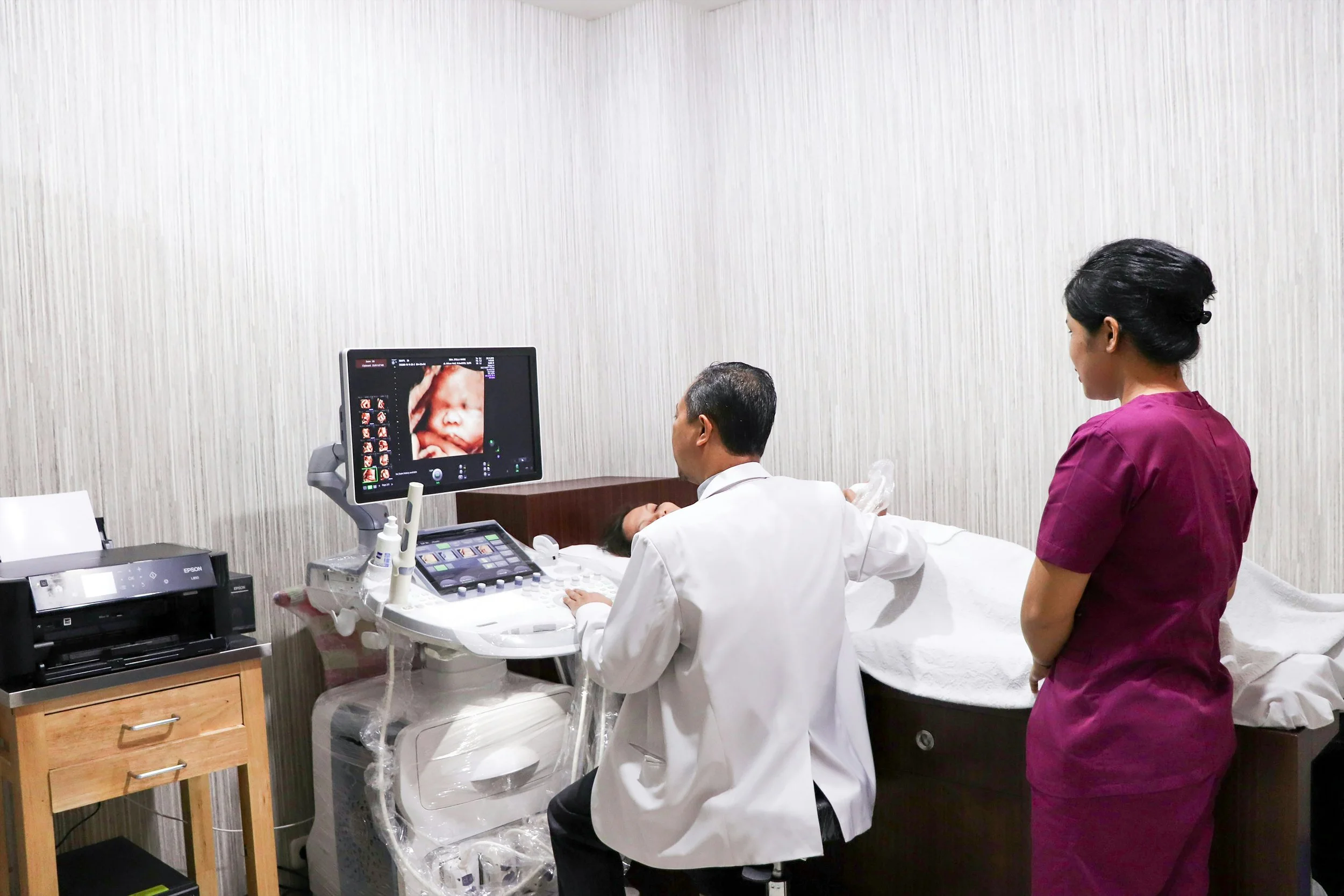
For many families, this appointment is emotionally charged. You may learn your baby’s sex. You may see fingers, toes, and facial features. But beyond the excitement, the anatomy scan is a medical assessment designed to ensure your baby is developing as expected.
Sometimes, additional scans or follow-up appointments are needed. This does not automatically mean something is wrong; it often means clinicians want clearer views or closer monitoring.
PART 3: Learn about key second-trimester pregnancy milestones, including the anatomy scan, glucose testing, and real-life physical changes no one warns you about.
While the second trimester often feels calmer, it is medically one of the most important phases of pregnancy. This is when key assessments take place, not to create fear, but to provide reassurance and early detection when intervention matters most.
The Anatomy/anomaly Scan: Your Baby’s First Detailed Portrait
Between weeks 18 and 22, most women attend the anatomy scan, often referred to as the 20-week ultrasound.
This detailed scan assesses:
Brain development and skull formation
Heart structure and function
Spine alignment and coverage
Abdominal organs
Limb and bone growth
Placental location
Amniotic fluid levels
Cervical length
For many families, this appointment is emotionally charged. You may learn your baby’s sex. You may see fingers, toes, and facial features. But beyond the excitement, the anatomy scan is a medical assessment designed to ensure your baby is developing as expected. Sometimes, additional scans or follow-up appointments are needed. This does not automatically mean something is wrong; it often means clinicians want clearer views or closer monitoring.
Glucose Screening for Gestational Diabetes
Between weeks 24 and 28, most women undergo glucose screening to assess for gestational diabetes.
The standard test involves drinking a glucose solution and checking blood sugar one hour later. If results are elevated, a longer diagnostic test follows.
Gestational diabetes affects approximately 2–10% of pregnancies. With appropriate management, including diet, movement, and sometimes medication, outcomes are overwhelmingly positive. Early detection is key.
Routine Prenatal Appointments
During the second trimester, appointments typically occur every four weeks and may include:
Fundal height measurement
Blood pressure monitoring
Weight checks
Urinalysis
Listening to the fetal heartbeat
Discussion of symptoms and concerns
These visits may feel routine, but they are carefully structured to detect subtle changes before they become problems.
The Physical Realities Few People Mention
Your belly becomes public property
Unsolicited touching and commentary often begin here. You are allowed and encouraged to set boundaries.
Unwanted advice increases
Everyone suddenly has an opinion. You are not obligated to receive it.
Colostrum leakage may begin
Some women notice yellowish fluid leaking from their nipples. This is normal and harmless.
Balance changes
Your shifting centre of gravity may make you clumsier. Slow down. Adjust footwear.
Leg cramps at night
Common and uncomfortable. Stretching, hydration, and maintaining a balanced mineral intake can help.
Vision changes
Temporary fluid shifts may affect vision. Avoid changing prescriptions until postpartum.
You sweat more
Increased metabolism and blood flow raise body temperature. Dress in layers and hydrate well.
In Part 4, we’ll break down the key scans, tests, and medical considerations that typically occur during the second trimester.