


The Emotional Shift- Second Trimester Pregnancy Emotions, FAQs & Preparing for Postpartum
Pregnancy does not require constant joy. Mixed emotions are not a sign of failure; they are a natural part of being human.
For those who receive unexpected or concerning news during this trimester, the emotional impact can feel particularly isolating. Grief and hope can coexist. Both deserve space.
FAQ: Second Trimester Pregnancy Questions
PART 4- Explore emotional changes in the second trimester of pregnancy, FAQs, and why this is the best time to prepare for postpartum recovery and support
The emotional landscape of pregnancy often changes just as dramatically as the physical one during the second trimester.
For many women, this is when pregnancy becomes real to them and to the world.
Emotional Shifts in the Second Trimester
Many women begin to:
Share pregnancy news publicly
Feel reassured by movement and scans
Start planning for birth and postpartum
Develop a deeper emotional attachment
At the same time, new worries may emerge:
Body image concerns
Fear of labour or outcomes
Work-life balance
Pressure to “enjoy it”
Pregnancy does not require constant joy. Mixed emotions are not a sign of failure; they are a natural part of being human.
For those who receive unexpected or concerning news during this trimester, the emotional impact can feel particularly isolating. Grief and hope can coexist. Both deserve space.
FAQ: Second Trimester Pregnancy Questions
When will I feel my baby move?
Most first-time mothers feel movement between 18-25 weeks; earlier for subsequent pregnancies.
Is round ligament pain normal?
Yes. It’s uncomfortable but harmless.
What about sleep issues?
Insomnia is common. Routine, positioning, and relaxation strategies help.
Are Braxton Hicks contractions normal?
Yes, irregular, painless tightening is expected. Regular or painful contractions require assessment.
How much weight should I gain?
Typically, 1–2 pounds per week in the second trimester, depending on pre-pregnancy BMI.
Can I exercise?
For most uncomplicated pregnancies, yes, and it’s beneficial.
Can I travel?
Often yes. Always confirm with your healthcare provider.
Should I prepare for postpartum now?
Absolutely. Early preparation improves recovery and mental well-being.
Why the Second Trimester Is the Ideal Time to Think Beyond Birth
Evidence consistently shows:
Education reduces postpartum anxiety
Support planning improves recovery outcomes
Emotional preparation eases the transition to motherhood
This is the moment to ask:
Who will care for me after birth?
What support will I need?
How do I want my recovery to feel?
These are the questions we address at Teti
How Teti Supports You
At Teti, we provide:
Evidence-based pregnancy education
Emotional and mental well-being support
Postpartum planning before birth
Woman-centred, holistic care
Because pregnancy is not just about the baby, it’s about the woman carrying the baby.
Closing Reflection
As the second trimester draws to a close, your energy may dip again. Your body grows heavier. Parenthood feels closer.
But look at what you’ve already done.
You’ve adapted. You’ve bonded. You’ve learned to listen to your body.
You’re ready for what comes next.
Second Trimester Pregnancy Symptoms: What’s Normal, What’s Unexpected, and What to Expect
Mild swelling of hands or feet
Fluid retention and circulatory changes can cause mild swelling, especially in warm weather or after standing for long periods. Elevating your legs, staying hydrated, and gentle movement help. Sudden or severe swelling should always be discussed with your provider.
A Gentle Reminder
Feeling better does not mean pregnancy is easier.
It means it’s different.
The second trimester teaches an essential skill for motherhood: listening to your body and adapting as it changes.
Part 2: Discover common second-trimester pregnancy symptoms, from fetal movement and increased energy to back pain and swelling, with evidence-based guidance to help you feel confident and informed.
One of the biggest surprises of the second trimester is how different pregnancy can suddenly feel.
For many women, the dramatic improvement isn’t accidental; it’s biological. The hormones responsible for first-trimester nausea and fatigue begin to stabilise. The placenta has fully taken over hormone production from your ovaries, and your body has completed many of the early physiological adjustments required to sustain pregnancy.
But “feeling better” doesn’t mean pregnancy becomes easy.
It simply means it changes.
What Improves During the Second Trimester of Pregnancy
Improved appetite
For most women, nausea fades between weeks 14 and 16. Once the constant queasiness lifts, eating becomes pleasurable again. Food shifts from survival to nourishment and often, enjoyment. This is a crucial time to rebuild nutritional stores that may have been depleted in early pregnancy.
Increased energy
The crushing fatigue of the first trimester often lifts, sometimes dramatically. Many women report feeling more energetic during the second trimester than they did pre-pregnancy. This surge is not random; it’s your body giving you a window of capacity. Use it wisely, but don’t feel pressured to be endlessly productive.
More stable mood. Hormonal fluctuations tend to even out during this phase. While mood swings don’t disappear entirely, many women feel emotionally steadier and more grounded. You begin to feel like yourself again, just with a growing belly.
New Sensations That Often Appear
Fetal movement
Feeling your baby move, often described as flutters, bubbles, or gentle rolls, is one of the most reassuring milestones of pregnancy. Most women notice movement between 16 and 22 weeks, with first-time mothers often feeling it later. Over time, movements become more consistent, offering daily reassurance and strengthening emotional connection.
Back or pelvic discomfort
As your centre of gravity shifts forward and pregnancy hormones loosen ligaments, lower back or pelvic discomfort becomes common. Prolonged standing or sitting, or poor posture, can worsen symptoms. Supportive footwear, gentle strengthening exercises, and pregnancy-safe movement can help significantly.
Round ligament pain
Sharp, brief pains in the lower abdomen or groin, especially with sudden movements, are classic round ligament pain. These ligaments stretch as the uterus grows, causing momentary discomfort that is unpleasant but harmless. Moving slowly and supporting your belly during movement can reduce intensity.
Nasal congestion or nosebleeds
Increased blood volume and hormonal changes cause swelling of the nasal membranes, leading to congestion or occasional nosebleeds, often called pregnancy rhinitis. Staying hydrated, using a humidifier, and avoiding dry environments can help.
Mild swelling of hands or feet
Fluid retention and circulatory changes can cause mild swelling, especially in warm weather or after standing for long periods. Elevating your legs, staying hydrated, and gentle movement help. Sudden or severe swelling should always be discussed with your provider.
A Gentle Reminder
Feeling better does not mean pregnancy is easier.
It means it’s different.
The second trimester teaches an essential skill for motherhood: listening to your body and adapting as it changes.
Have you reached the moment yet where pregnancy stopped being something that was happening to you and became a journey you’re actively part of?
In Part 3, we’ll explore the emotional shift many women experience in mid-pregnancy, including confidence, connection, and the return of mental space.
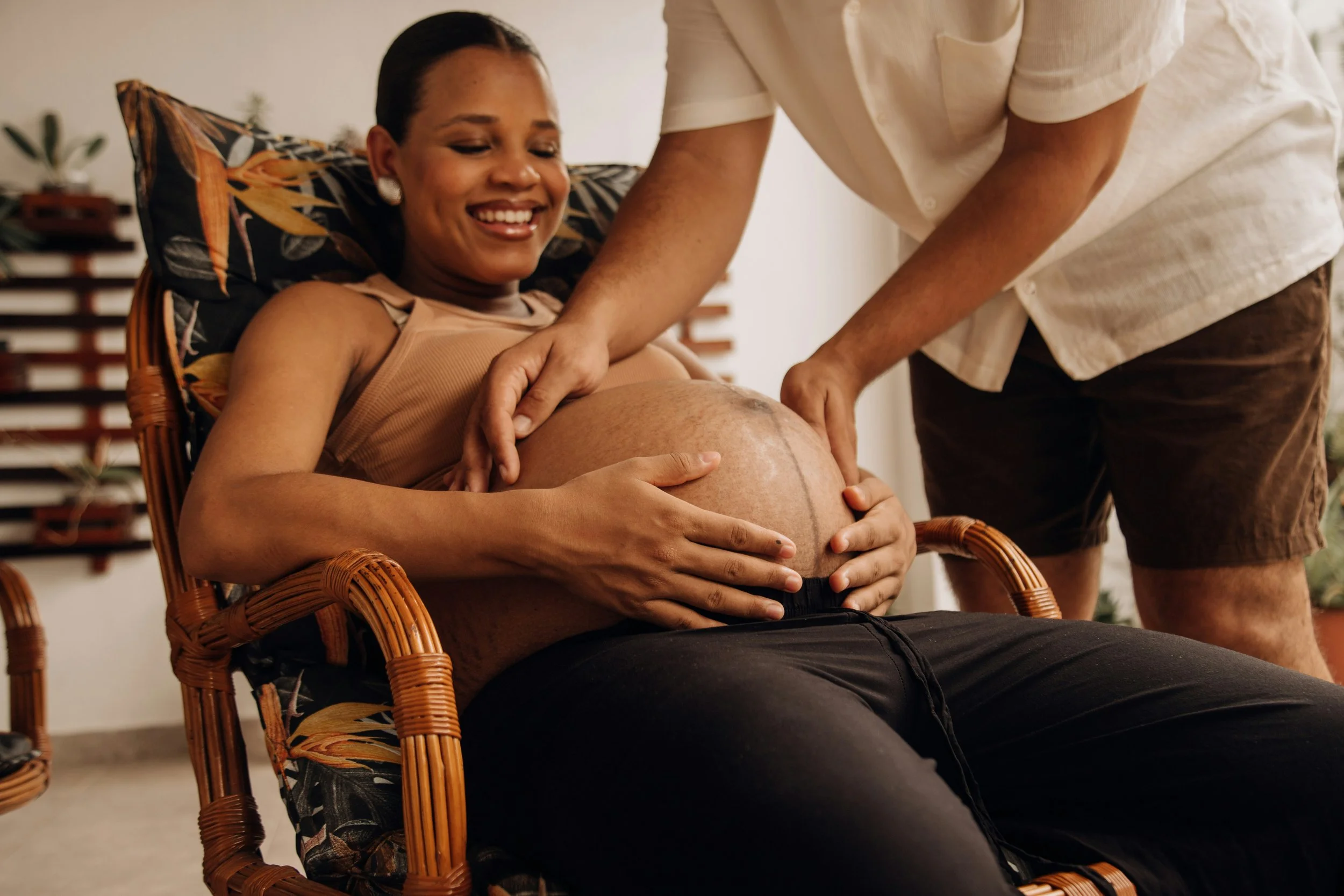
Support a loved one.
If someone you love is pregnant, your support matters more than you might realize. Small, thoughtful actions can make a huge difference. This guide is here to help you understand how to support a pregnant woman in ways that are genuinely helpful, respectful, and loving.
1. Lead With Listening (Not Fixing)
One of the most powerful things you can do is simply listen.
How to Support a Pregnant Woman: A Loving Guide for Partners, Family, and Friends
Pregnancy is often described as a magical time, and sometimes it is. However, it can also be exhausting, emotionally draining, confusing, uncomfortable, and overwhelming. Even the happiest pregnancies come with real physical and mental challenges that don’t always show on the outside.
If someone you love is pregnant, your support matters more than you might realise. Small, thoughtful actions can make a huge difference. This guide is here to help you understand how to support a pregnant woman in ways that are genuinely helpful, respectful, and loving.
1. Lead With Listening (Not Fixing)
One of the most powerful things you can do is simply listen.
Pregnant women often hear a lot of advice. Some of the advice is helpful, some outdated, some completely unsolicited. What they need more than solutions is a safe space to express how they’re really feeling.
Ask open-ended questions like, “How are you feeling today?”
Let her vent without correcting, minimising, or jumping in with advice.
Avoid phrases like “At least…” or “Just wait until…”; they often feel dismissive, even when well-intended.
Sometimes the most supportive response is: “That sounds really hard.”
2. Respect Her Experience (Even If It’s Different From Others’)
No two pregnancies are the same. Comparing her experience to someone else's, a friend’s, or a story you’ve heard can make her feel misunderstood or invalidated.
Try to:
Believe her when she says she’s tired, uncomfortable, anxious, or in pain.
Respect her boundaries around what she wants to share or not share.
Trust that she knows her body and her limits best.
Support starts with honouring her reality, not measuring it against another.
3. Offer Practical Help (And Be Specific)
Pregnancy can make everyday tasks feel monumental. One of the kindest things you can do is help lighten the load.
Instead of saying, “Let me know if you need anything,” try offering something concrete:
“Can I bring dinner on Wednesday?”
“I’m going to the store. What can I pick up for you?”
“Do you want me to handle the laundry today?”
These gestures show care and remove the burden of having to ask.
4. Be Patient With Emotional Changes
Hormonal shifts, physical discomfort, lack of sleep, and big life transitions can make emotions feel closer to the surface. She may be joyful one moment and overwhelmed the next.
What helps:
Patience instead of defensiveness
Reassurance instead of judgment
Calm presence instead of taking things personally
Emotional support doesn’t require understanding every feeling; it requires accepting them.
5. Support Her Choices (Even When You Don’t Fully Understand Them)
Pregnant women make countless decisions: about food, movement, medical care, birth plans, visitors, and boundaries. Even if you don’t fully agree or understand, your respect goes a long way.
You can support her by:
Trusting her judgment and autonomy
Avoiding pressure or guilt-based opinions
Asking how you can best support her choices
Feeling supported in her decisions builds confidence and reduces stress.
6. Celebrate Her Without Focusing Only on the Baby
Pregnancy can sometimes make a woman feel like her identity has been reduced to a body carrying a baby. Remind her that she is still herself, whole, valuable, and seen.
Compliment her strength, not just her glow
Ask about her, not only the pregnancy
Celebrate milestones she cares about, big or small
She’s not just becoming a parent; she's navigating a major transformation.
7. Show Up Consistently
Support isn’t about grand gestures; it’s about steady presence.
A quick check-in text. Remembering an appointment. Sitting quietly together. Respecting when she needs space and being there when she doesn’t.
Consistency builds safety. And safety is one of the greatest gifts you can offer during pregnancy.
Final Thoughts
You don’t need to say the perfect thing or do everything right to be supportive. What matters most is intention, empathy, and effort.
Pregnancy is a season of vulnerability and strength, uncertainty and hope. When a pregnant woman feels truly supported by the people around her, she’s better able to care for herself and the life she’s growing.
Your love, patience, and presence matter more than you know.